
How Sandstone Brings the Warmth of the Texas Landscape Into the Hardscape on Every Property
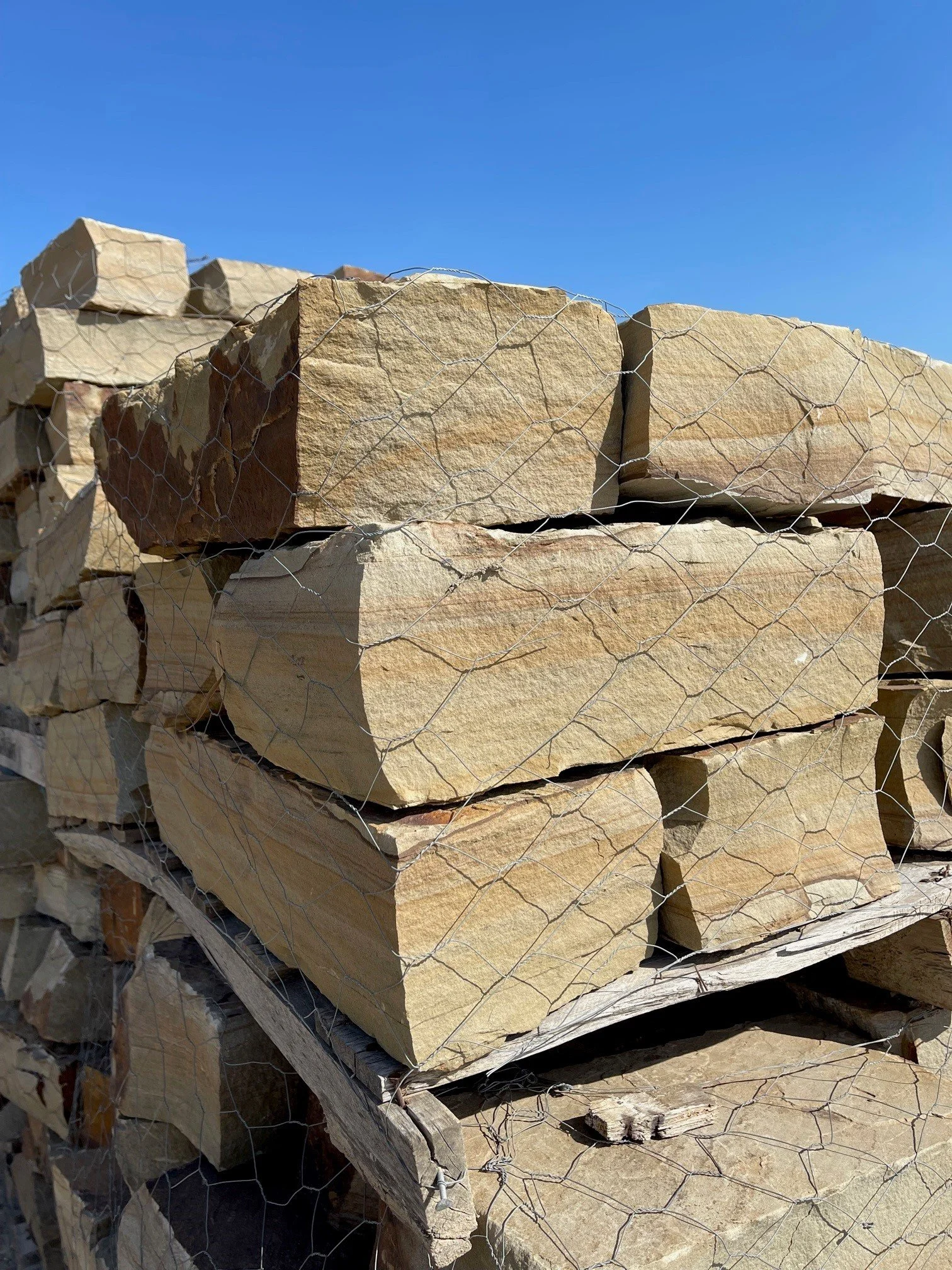
There is a reason sandstone feels at home on properties across the DFW area. The warm buff, tan, and gold tones that define most Texas sandstone are the same tones the landscape carries naturally. The limestone bluffs. The prairie grasses. The sun baked soil. When sandstone is used on a patio, a walkway, a wall, or a fire feature, it does not look like a material that was imported. It looks like a material that belongs.
That visual connection to the regional landscape is what makes sandstone one of the most popular natural stone choices in the Fort Worth, Keller, and greater DFW market. It carries character that manufactured materials cannot replicate, and it ages in a way that improves its appearance rather than diminishing it.
Related: Why Sandstone Is a Smart Choice for Fort Worth Landscapes
What Sandstone Is and How It Performs
Sandstone is a sedimentary rock formed from compressed sand grains cemented together over millions of years. The color is determined by the mineral content: iron produces the warm reds and golds, while silica and calcite produce the lighter tans and creams.
The characteristics that define sandstone as a hardscape material include:
A natural color variation within each piece and across each pallet that produces a surface with depth and visual warmth that uniform manufactured materials cannot match
A textured surface with natural cleft faces that provide grip underfoot, making it an appropriate choice for walkways, patios, and pool surrounds where slip resistance matters
A workability that allows the stone to be cut, shaped, and fitted for a wide range of applications from irregular flagstone paths to precisely coursed wall faces
A density that varies by quarry and by grade, which affects the stone's durability, its moisture absorption, and its suitability for specific applications in the Texas climate
Not all sandstone performs equally outdoors. The softer grades absorb moisture, which in a climate that delivers intense sun followed by heavy rain can cause surface spalling and deterioration over time. The harder, denser grades hold up significantly better and should be specified for any application that involves direct weather exposure, foot traffic, or proximity to water.
Related: Sandstone in Burleson, TX: The 2026 Material Trend Contractors Are Using for Faster Patios and Walls
Where Sandstone Works Best
Sandstone is versatile enough for nearly any hardscape application, but it excels in specific roles.
Patio and walkway surfaces benefit from the natural cleft texture that provides traction and the warm tones that stay cooler underfoot than darker stone in the Texas sun. Wall faces and column veneers benefit from the color range and the layered character that sandstone delivers. Fire feature surrounds benefit from the heat resistance and the visual warmth that make the stone glow in firelight. And garden borders and edging benefit from the organic quality that connects the hardscape to the planting beds.
The applications where sandstone may not be the best choice include pool coping where a smoother, more consistent surface is preferred, and structural retaining walls where a denser, harder stone or an engineered block may be more appropriate for the load.
Why the Source Determines the Quality
Sandstone quality varies by quarry. The color consistency, the density, the thickness uniformity, and the structural soundness of each piece depend on where the stone was extracted and how it was processed. A dedicated stone yard carries sandstone from quarries that produce material suited to the regional climate, and the staff can guide the customer toward the grade and the cut that match the application.
Seeing the stone in person, comparing the color across pallets, feeling the surface texture, and evaluating the thickness before ordering prevents the surprises that come from selecting off a screen. If your project in Fort Worth, Keller, or the DFW area calls for a material that connects the hardscape to the land it sits on, sandstone is worth seeing at the yard before making the final selection.
Related: Why Sandstone in Weatherford, TX, Is a Contractor’s Best Bet for Walls & Patios