
What Makes Decomposed Granite One of the Most Versatile Materials in Your Yard
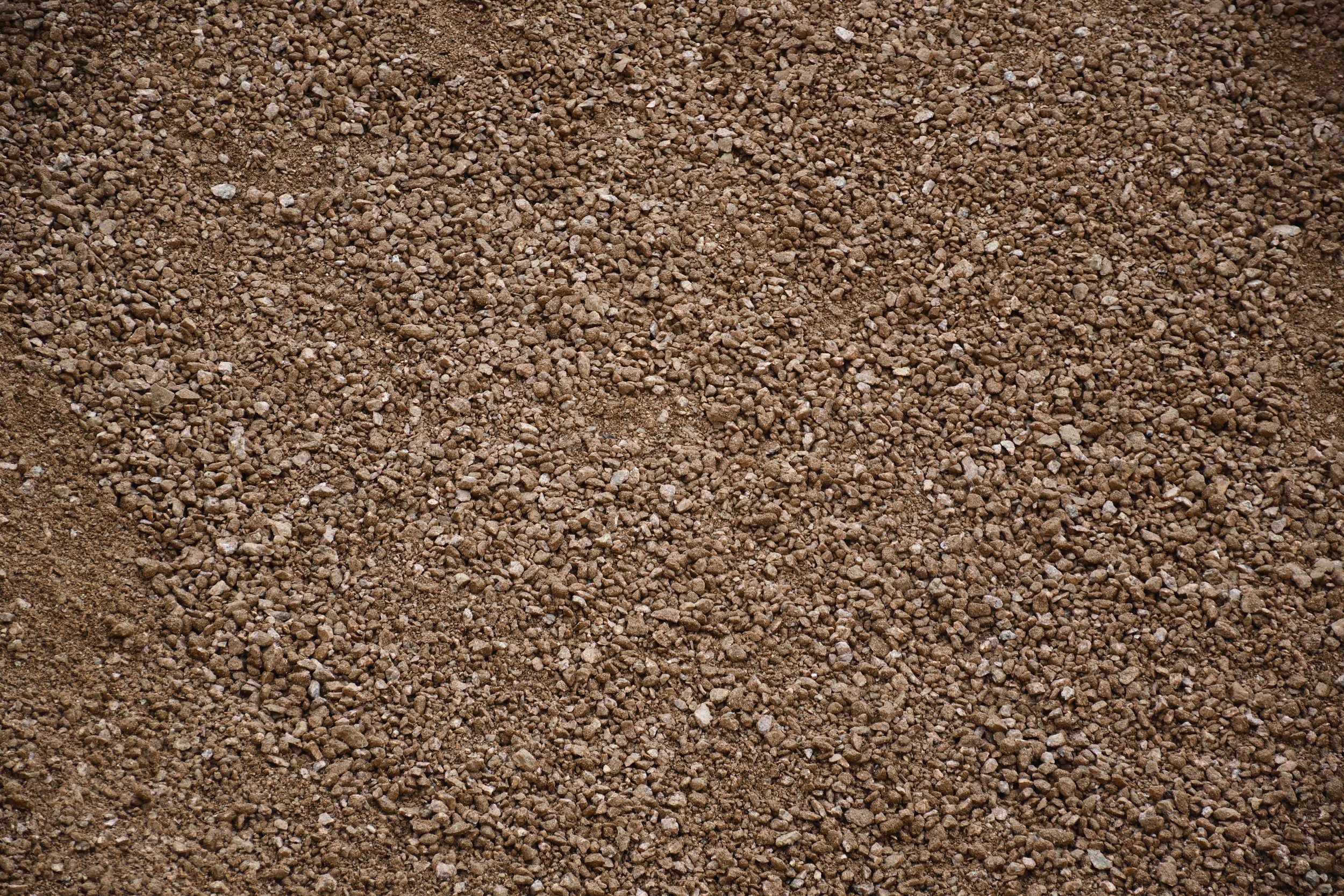
Most people discover decomposed granite when they are looking for something else. They want a path material that is not concrete. A ground cover that is not mulch. A driveway surface that does not look like a parking lot. And then someone points them toward DG, and suddenly one material solves three or four problems at once.
That is what makes it worth understanding. Decomposed granite is not flashy. It does not draw attention to itself. But it quietly handles more jobs in a landscape than almost any other single material you can buy.
What Decomposed Granite Actually Is
DG is exactly what it sounds like: granite that has broken down over time into small, sand-like particles, typically a quarter inch or smaller. It comes in a range of natural tones from tan and gold to warm pink, depending on the source rock.
Unlike standard gravel, decomposed granite compacts tightly when moistened and tamped. That is the key property. It creates a firm, stable surface that resists shifting while still allowing water to percolate through. You get the look of a natural material with the performance of something more engineered.
Where It Works Best
The list is longer than most people expect:
Pathways and walkways. DG creates a clean, natural-looking path that blends into the surrounding landscape. With proper edging and compaction, it stays put and handles regular foot traffic without issue.
Driveways. For properties where a poured surface feels too formal or too expensive, decomposed granite offers a warm, textured alternative that holds up to vehicle traffic when installed on a solid base.
Patio base material. DG is commonly used beneath pavers and flagstone because it compacts evenly and provides excellent drainage, two things that keep a patio level and stable for years.
Ground cover in planting beds. Instead of mulch that fades and needs annual replacement, decomposed granite provides a permanent, low-maintenance surface that suppresses weeds and complements stone and greenery.
Dry creek beds and drainage features. DG works with river rock and boulders to create natural looking drainage channels that manage runoff while adding visual interest.
Related: Designing Outdoor Spaces With Decomposed Granite in Weatherford, TX
What to Know Before You Buy
Not all DG is the same. The quality of the material affects how well it compacts, how long it holds its color, and how much maintenance it requires over time. Fines that are too dusty wash away in heavy rain. Material that is too coarse will not lock together the way it should.
In North Texas, where clay soils and intense summer heat are part of every project, choosing a DG that packs tightly and drains well matters more than it does in milder climates. The right product, paired with proper base preparation and steel or stone edging, makes the difference between a surface that lasts and one that scatters after the first storm.
A Material That Earns Its Place
Decomposed granite does not try to be the centerpiece of your yard. It is the material that makes everything around it work better. Paths feel more intentional. Beds look cleaner. Patios drain properly. And the overall landscape reads as something that was designed, not just assembled.
We stock decomposed granite at our yard in Fort Worth, Texas, and serve homeowners and contractors across the surrounding areas.
Not sure how much you need? We will do the math and get you loaded.
Related: Combining Decomposed Granite and Austin Stone for Stunning Outdoor Spaces in Aledo & Weatherford, TX